
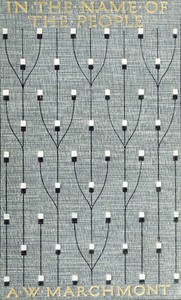
In the Name of the People by Arthur W. Marchmont
So here’s the deal: if you haven't stumbled on In the Name of the People by Arthur W. Marchmont (1852–1923), you’re missing a gem from a time when novels didn’t mess around. No slow burns. No a thousand pages of weather. Right from page one, you’re in the middle of a high-stakes conspiracy that has classic thriller energy with all those ornate polite-society details of old Russia.
The Story
Picture 1880s Russia, under the long shadow of a fragile imperial government. It’s a world simmering with revolutionaries, bomb-throwers, and secret police. Meet our hero, Paul Glynn—a young, slightly naive English businessman stationed for work. One stormy night, he finds a beautiful, mysterious woman named Nina Falk desperate for help. With just one single act of kindness, he gets tangled in a plot that involves a terrorist atrocity—the assassination of a high-ranking official. Suddenly every cop and spy in the city wants Nina, and Paul decides to shield her, which leads to him being dragged into prison interrogations and practically orphaned by his own folks. A trial looms. And let’s just say: Moscow society has a tongue sharper than a sabre.
The book never cheats: you get back clues, coded messages, red-hot suspicions, a ghost from Paul’s past, lots of shady characters whispering in rooms—and a final courtroom scene that holds up so well, I was reading it by flashlight at 2 a.m.
Why You Should Read It
Forget the “historical fiction equals boring” myth. This reads like a slick 2025 thriller, except everyone rides in droshkys and wears corsets. I connected with Paul because honestly—I think a lot of us secretly fantasize about standing in front of evil officials and shouting the truth. Nina is not some damsel catching fainting fits; she has brains and feels like a three-dimensional person figuring that being branded a terrorist means nobody trusts her again.
Marchmont writes with an easy British charm but throws in local Russian words so you truly feel the icy air, hear the church bells, smell the damp prisons.
Final Verdict
Absolutely, for fans of early thrillers, spy novels (pre–John LeCarré) and romantic escapism set in history. For readers who gulp down Gorky Park, The Alienist vibes, or even Pride and Prejudice crossed with a diplomatic tangle. This book = timeless punch plus love story plus brawn. I guarantee you will flip the last page and toss it to your mom or your nerdy book friend with a heartfelt, “You’ve got to read this one.”
If dusty bindings gave your books high kicks, this one can run away as your new guilty pleasure.
This text is dedicated to the public domain. Thank you for supporting open literature.





Thomas Gonzalez
10 months agoHaving explored several resources on this, I find that the visual layout and supporting data make the reading experience very smooth. It definitely lives up to the reputation of the publisher.